Short-term recovery from a spinal fracture
What to expect in the first weeks and months after a spinal fracture.
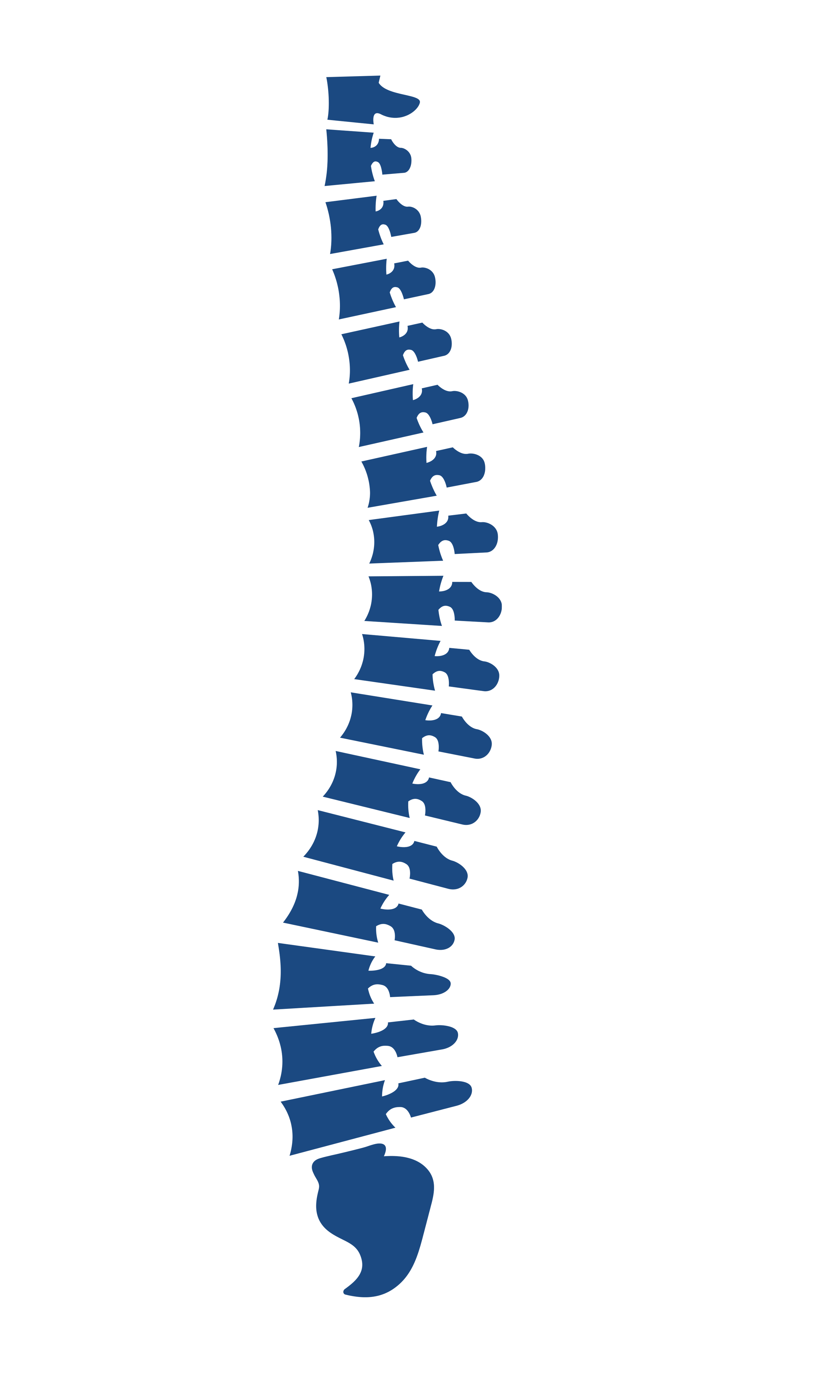
Spinal fractures are also known as vertebral fractures, wedge fractures or compression fractures.
On this page, we explain what to expect in the first weeks and months after a spinal fracture.
This page is about spinal fractures caused by osteoporosis, rather than a high-impact injury. Osteoporosis is a condition that weakens bones. This means they can break more easily.
What should I expect after a spinal fracture?
Recovery from a spinal fracture will be different for everyone. For some people, a spinal fracture will have very little impact on their lives, and they will be able to carry on with their daily activities. For others, a spinal fracture can cause pain and limit what they are able to do.
Recovery from a spinal fracture involves:
pain relief
getting moving again
preventing any more broken bones.
Below is a timetable of what you might expect during your recovery. But everyone's recovery will be different. Speak with your doctor or physiotherapist about what to expect. Listen to your body and only do what feels right for you.
The first 6 weeks
You can expect to have some pain in the first 6 weeks. You'll probably be offered an osteoporosis medicine to help prevent your bones breaking in the future.
You can:
rest if you need to, but get moving if you can
ask for help to move around if you need it
try to avoid bending, twisting, moving quickly or jumping
keep lifting to a minimum
avoid carrying, pushing or pulling anything that puts extra strain on your back.
Weeks 6 to 12
Your pain should start to improve in weeks 6 to 12. Continue to take any osteoporosis medicine that you have been given.
You can:
continue with gentle movement and start light exercise
start to increase your activities gradually
start lifting light objects if you feel ready
break activities down into smaller steps if you need to
do light household jobs but avoid harder jobs such as hoovering.
After 12 weeks
Your pain should continue to improve after 12 weeks although some activities may make the pain worse. For example, standing for a long time while cooking or ironing. If you still have pain that’s affecting your day-to-day life, talk to your doctor.
Continue to take any osteoporosis medicine that you have been given.
You can:
build up movement and start getting more active
continue with gentle exercises to help improve back pain and posture
consider other lifestyle changes you can make to lower your chance of breaking another bone.
You could speak to your GP about other services that might help you. For example, physiotherapy, occupational therapy or counselling.
Our information on daily living after fractures provides useful hints and tips to make day-to-day tasks easier after a broken bone.
Emotional wellbeing
After a spinal fracture, some people feel low, upset, worried or angry.
People tell us they feel:
upset or low from the pain
worried about movement causing more pain
afraid of breaking another bone
upset if their body shape has changed
low or frustrated if they cannot do things they enjoy.
These are normal reactions. You're not alone; we are here to support you. You can read more about emotional wellbeing and support, contact our Helpline or talk to your GP.
If you need urgent support with your mental health, the NHS website has more information.
How long does a spinal fracture take to heal?
Most spinal fractures will heal by themselves over time. A spinal fracture usually takes between 6 and 12 weeks to heal, although recovery can take longer for some people. The broken bone will keep getting stronger after it heals. This can take up to 18 months after the break.
Watch: In this short video, Osteoporosis Specialist Nurse, Kirsty, talks about how long it takes for a spinal fracture to heal.
We have more information about how bones heal on our page about understanding spinal fractures.
Managing pain after a spinal fracture
A spinal fracture can be painful, especially during the first few weeks. Pain should improve with time. The amount of pain varies between individuals. Some people may have little or no pain, while others might be in a lot of pain.
You may need to use a combination of approaches to manage your pain.
Medicines for pain
Pain medicines you can buy without a prescription, such as paracetamol, can help. You may need to take them regularly to start with. Anti-inflammatory medicines such as ibuprofen can also help. But these medicines are not suitable for everyone, especially older people and those with other health conditions. Ask your pharmacist if you have questions about taking medicine for pain relief. If your pain medicine is not helping, or you cannot take it, speak to your pharmacist or GP. They can help you find an option that is suitable for you.
See our information on pain relief medicines for more about managing pain after breaking a bone.
Exercises for pain
There are also some exercises you can do to help relieve pain after a spinal fracture. These help to improve muscle strength, ease tight muscles and reduce muscle cramps.
Pacing your activity
Pace yourself by planning and prioritising your daily tasks. See our information on managing long-term pain for more details.
Pain affecting your sleep
Some people may find their pain is affecting their sleep. Lying flat on your back is often the most comfortable position. Putting a pillow under your knees can also help.
Other treatments for pain
Heat or cold may help ease pain. You could try:
a hot water bottle
a wheat bag
a heat pad
an ice pack.
Always wrap heat or ice in a cloth. This helps protect your skin.
There is not enough evidence to know if TENS (transcutaneous electrical nerve stimulation) or acupuncture help pain after a spinal fracture. But some people find TENS helpful, and it has been shown to be useful for other types of pain.
For most people, the pain will improve over 6 to 8 weeks as their fracture heals. But for some people pain may last for longer. See our information on managing long term pain.
Minor surgical procedures for pain
Vertebroplasty and kyphoplasty are minor surgical procedures. Your doctor may consider them if you continue to have severe pain that makes it difficult to move. You may hear these procedures called vertebral augmentation.
Vertebroplasty involves injecting bone cement into the broken vertebra to make it more stable.
Kyphoplasty is a similar procedure. It involves putting a balloon into the broken vertebra and inflating it to create a space in the bone. Bone cement is then injected to fill the space and make the bone more stable.
Your doctor can talk to you about whether one of these procedures might be a suitable option for you. They can explain the potential benefits, risks and side effects.
These procedures are not recommended for most people. This is because we do not know enough about how well they work.
Getting moving after a spinal fracture
It is important to start moving again as soon as possible after your spinal fracture. If your pain is very bad, you might need a few days of bed rest. But continued bed rest can lead to loss of muscle and bone strength.
You may need to use pain relief medicine so that you are able to get moving again.
At first, you may need lots of rest. But try to get up and walk a little, and often. This can help with pain and stiffness. Start gently and build up slowly. Everyone gets better at a different speed.
You may need help to move around. As you feel more confident, you should be able to walk without help again.
Exercises that strengthen your back muscles can help relieve pain and improve your posture.
If you are struggling with pain or movement, ask your GP to refer you to a physiotherapist. They can help you to move safely, ease pain and build muscle and bone strength.
Will I have another spinal fracture in the future?
If you have had a spinal fracture, you are more likely to have another one. You are also more likely to break another bone, such as a hip. Your chance of having another broken bone is highest soon after the spinal fracture and reduces with time.
How can I lower my chance of breaking another bone?
If you have had a spinal fracture, you should be offered a fracture risk assessment. This may include a bone density scan (DEXA scan). A fracture risk assessment estimates how likely you are to break a bone.
If you have not had a fracture risk assessment, talk to your GP about getting your risk checked and the treatment options available to you.
Taking an osteoporosis medicine
You will probably be offered an osteoporosis medicine. This will help protect and strengthen your bones. And it will lower your chance of breaking another bone. The medicine you are offered will depend on:
your personal circumstances
how many fractures you have and where they are
any other risk factors you have.
As well as an osteoporosis medicine, your healthcare professional may recommend that you take a calcium and vitamin D supplement.
Other ways to lower your chance of breaking a bone
Other things that you can do to lower your chance of breaking another bone include:
exercising regularly to improve your balance and help make your bones stronger
not drinking too much alcohol
stopping smoking
being a healthy body weight.
Downloads
Download our fact sheet, Daily living after fractures.
About this information

Taking medicine for osteoporosis?
Complete our short survey to get tailored information about your osteoporosis treatment.

Get news and updates via your inbox
Don't miss our expert insights, recipes, and tips for living well with osteoporosis.