 Search
 Login
Login



Together, we can Fund BREAKTHROUGHS IN RESEARCH
Half of women and one in five men over 50 will break a bone due to osteoporosis. Many, like Jo, aren’t even aware they have the condition.
The MRI scan found several historic spinal fractures. They had just happened without me realising.
“My name is Jo. I was Mid-wife at the NHS and worked shifts. I was diagnosed with osteopenia in 2006 and prescribed treatment, but due to shift work and multiple asthma medications, I struggled to take risedronate consistently. I had no follow-up scans until a hospital admission in March 2024 after a fall, when my right leg suddenly gave way.
In March 2012, I fractured my spine doing something as simple as loading the washing machine. I only discovered it after seeing my GP for severe back pain; an X-ray confirmed a fracture that was already healing, so no further action was taken. At the time, I was working as an NHS midwife and needed time off, but I largely attributed ongoing back pain and sciatica to my job.
In early 2024, I experienced worsening back pain and weakness in my right leg, eventually stopping driving. When my leg gave way completely, I fell and also fractured my left ankle. Scans later showed a disc compressing a nerve at the site of an old spinal fracture I hadn’t known about.
In June 2024, I was formally diagnosed with osteoporosis. I’ve lost several inches in height, which was a shock, and I still feel emotional thinking about the future. Living alone, I’m now very cautious, constantly assessing my surroundings to reduce the risk of falls. My biggest fear is falling again, especially fracturing my hip or losing my independence.”
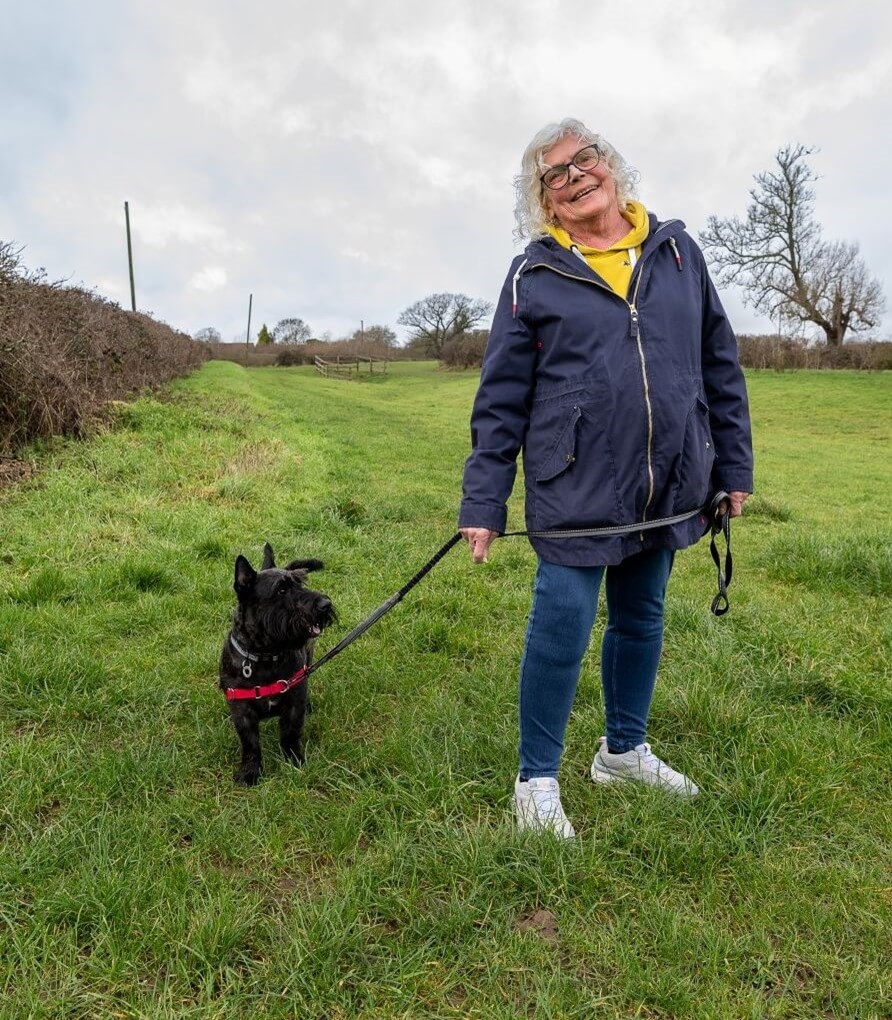
Jo, ROS Member
Can our internal body clock affect our bone health?
We all have circadian rhythms, or body clocks, that alter how our bodies work over a 24-hour period. New research by Dr Darling and her team has shown that the way our bodies break down and remove damaged bone tissue is closely linked to our internal body clock. The study shows that bone breakdown reaches its peak at night.
For the study, the research team collected and examined blood samples under carefully controlled laboratory conditions from 22 young adults, collected every two hours for the span of 26 hours, and measured the presence of two markers linked to bone formation and bone resorption (process which allows the body to break down and remove old or damaged bone). This process helps the bone maintain it’s strength, repair damages, and allows growth by releasing calcium, without this process the bones weaken.
The findings show that while bone formation is not tied to our body's cycle, bone resorption is closely linked to our internal circadian clock. These novel findings provide important insights into the daily rhythm of how your body builds and breaks down bone and will further efforts on prevention and treatment.
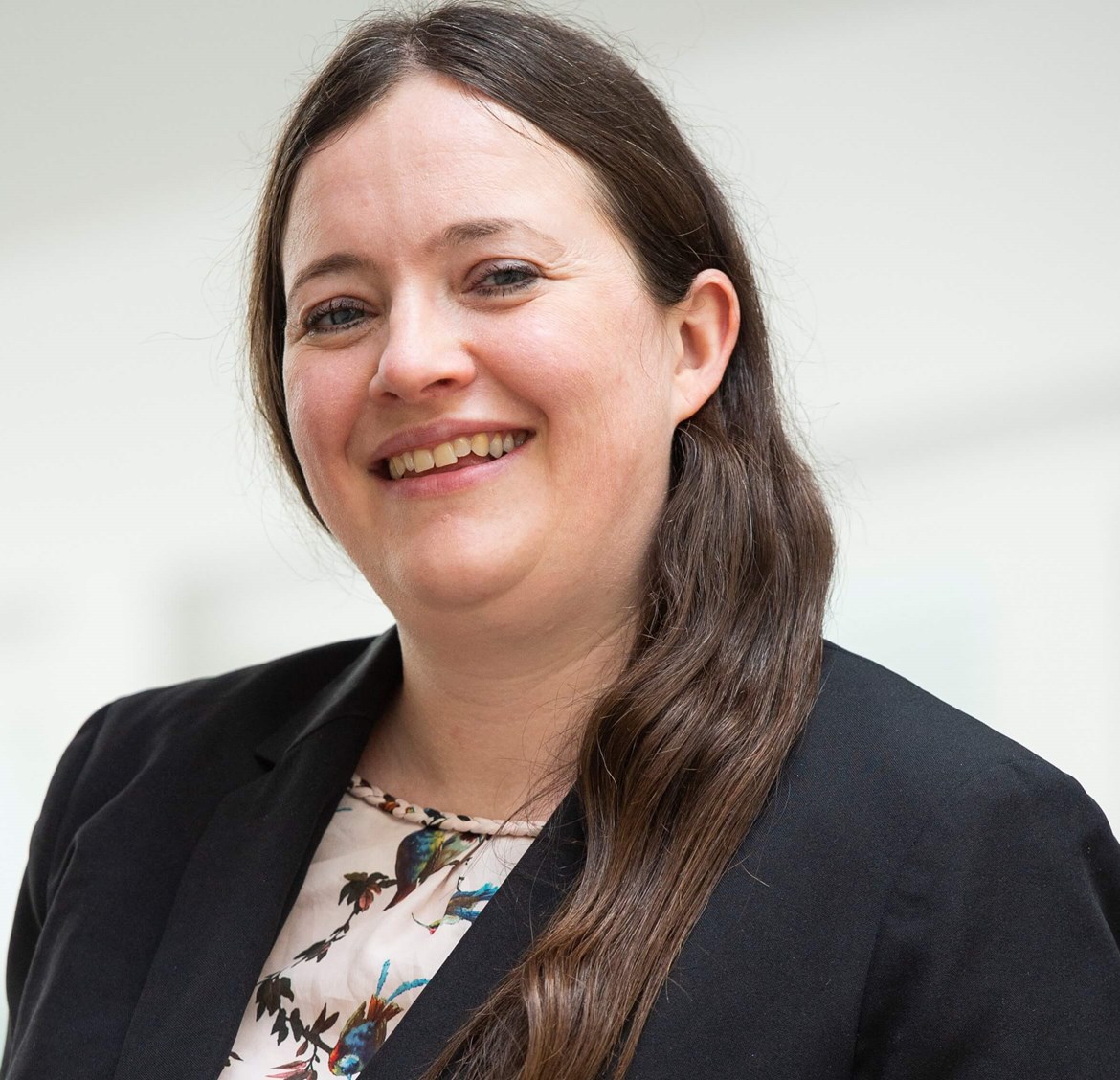
Dr Andrea Darling, Post Doctoral Researcher
Why is this important?
Because if our internal body clock affects the density of our bones, that implies that severely disrupted sleep or shift work could increase people’s risk of osteoporosis. And if we know people’s risk factors, we can potentially diagnose and treat them earlier, changing the course of their health for good.

Two-thirds of people miss life-changing treatment. We need your support now.
Osteoporosis is treatable, yet two-thirds of people miss out on potentially life-changing treatment because of late diagnosis. Too many risk factors are missed or not understood. The result is thousands of lives marked by disability, isolation and loneliness that could have been avoided.
That’s why research like Dr Darling’s is so important in helping us identify who is more likely to develop the condition – and why we need to fund more pioneering research as soon as possible. But we can't do that without your support.
Would you help our researchers continue to uncover more risk factors – including things like disrupted sleep and shift work?
Meet our researchers:
- Dr Andrea Darling, Postdoctoral Researcher
- Professor Debra Skene, Professor of Neuroendocrinology
- Professor Richard Eastell, Professor of Bone Metabolism
- Professor Susan Lanham-New, Head of department of Nutritional Sciences