body shape and Clothes after spinal fractures
Practical tips to help you feel confident and comfortable about your body shape after spinal fractures.
Spinal fractures (also called vertebral fractures) can sometimes cause changes in your body shape. You may lose height, develop a curved back or notice your tummy sticks out more. These changes can be hard to get used to. But clothes that fit well and feel comfortable can help you feel more confident.
On this page we look at how spinal fractures can affect your body shape and how you feel about yourself.
How do spinal fractures affect body shape?
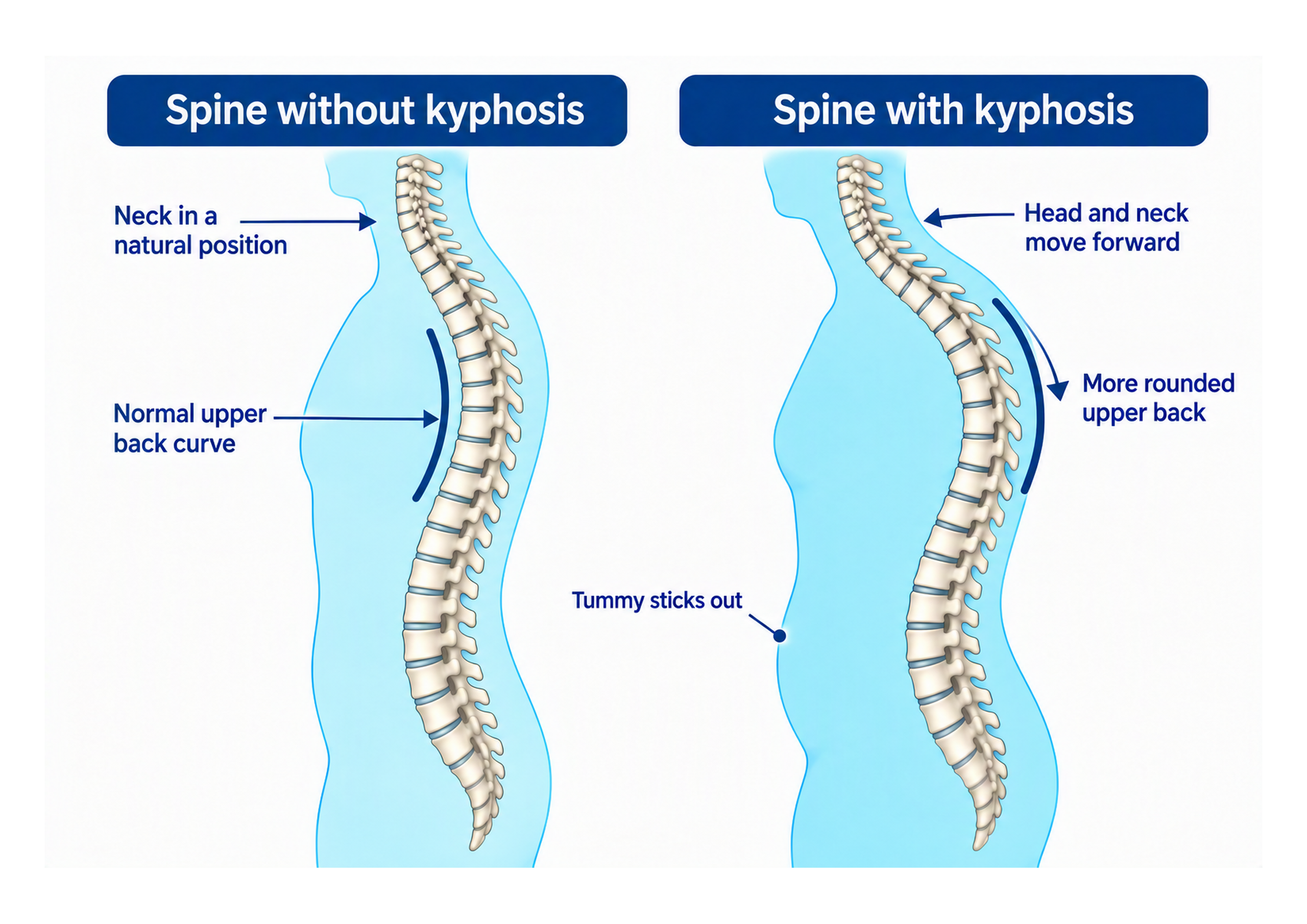
Spinal fractures can cause changes in the shape of your spine. This can affect your body shape. You may start to notice:
a curved back (sometimes called kyphosis, pronounced ky-FOH-sis)
height loss
your tummy sticks out or looks bigger than it used to.
Some people say they feel like they are being compressed, pulled downward or squashed.
The more spinal fractures you have, the more likely you are to notice these changes.
Can I prevent these changes?
Spinal fractures heal, but they do not go back to their original shape. There are things you can do to lower your chance of breaking more bones. For example:
taking an osteoporosis medicine if your doctor offers you one
doing exercises to strengthen your bones and the muscles in your back.
How can changes in body shape affect how you feel about yourself?
It can be hard when spinal fractures change the shape of your body.
You may feel less confident or embarrassed about how your body looks now.
Seeing yourself in a mirror, shop window or photo may upset you. Choosing clothes may feel hard too.
You may avoid going out or seeing other people because you feel worried about how you look. This can affect how you feel about yourself and your time with other people.
Changes in body shape due to spinal fractures can affect your emotional well-being. This can lead to anxiety and depression.
Not everyone feels this way. But if changes to your body shape are affecting how you feel, it is important to know that you are not alone. You might want to try:
talking to one of our Helpline nurses
joining our online community
connecting with others through our support group network.
Do not underestimate the power of talking the challenges through with someone. My friends have really helped build my confidence and I know that they value me as a person rather than how I look.
If you feel anxious or low, speak to your GP. The NHS website explains more about mental health symptoms and the support available.
Coming to terms with changes in your body shape
Getting used to changes in how you look and feel can take time. But many people find they do adjust in time.
Allow yourself time to grieve the loss of the old you and be kind to the new you as she needs to be loved
Dealing with comments from other people
Sometimes friends and family members may comment on your height loss, curved back or tummy. Although they may not mean it, these comments can feel hurtful and upsetting. It's up to you how you respond to any comments. You can tell people what you feel comfortable talking about. You might find it helpful to talk to someone you trust about how you're feeling.
Watch: Body image and changes after spinal fractures
In this video, we discuss body image and changes after spinal fractures.
Expand Your Horizon: Improve Your Body Image is a free programme mentioned in the video. It can help you focus on your body and what it can do.
Dressing for comfort and confidence
Changes in body shape can affect how your clothes fit, how comfortable they are, and how you feel in them. This can happen to anyone after spinal fractures, whatever your age, gender or personal style.
Clothes can be closely linked to your sense of who you are. So it can feel hard if clothes no longer fit, hang or look the way they used to. You may also find it harder to buy clothes that feel good. It is quite normal to feel this way.
Wearing clothes that fit well and feel comfortable can help you feel more confident.
Watch: How might spinal fractures affect how my clothes fit?
In this video, we discuss how spinal fractures might affect how your clothes fit and how you feel about yourself.
It is hard to come to terms with a changing body shape following spinal fractures, however with time and experimentation it is possible to find clothes that fit and suit you, giving you confidence in your appearance once more.
Here are some tips and ideas that other people have said helped them. These tips are not about hiding your body. They are about finding clothes, footwear and underwear that feel comfortable, suit your body now, and help you feel more like yourself.
Choosing comfortable clothes
Try loose or baggy clothing. Hooded tops, T-shirts, tunics, jumpers or sweatshirts can feel more comfortable around your stomach or back.
Look for soft, stretchy fabrics. They may be easier if you find it hard to bend, twist or do up buttons and zips.
Choose loose waistlines that feel comfortable. Some people prefer elasticated waistbands or styles that do not fit tightly around the waist. Joggers or jeans with stretch may be more comfortable around the waist.
Try a different clothes size. Larger sizes can fit better around the waist or stomach. Petite sizes might fit better if you have lost height.
Make alterations. If you can sew, try shortening trousers and tops, or widening waistbands. Or try a local sewing service.
Use accessories such as scarves and jewellery to express your personal style. You can also try different colours or patterns. Darker colours can work better than lighter colours.
Try different styles of clothes. Wear happy colours, accessorise with bright scarves and necklaces. Be comfortable.
Footwear
Changes in body shape can also affect what shoes you wear. As well as style, you may want to consider balance, preventing falls, comfort and ease of dressing.
Things that people consider when choosing footwear are:
flat or low heels
good grip
cushioned soles
wide fit
lightweight
easy fastening or slip-ons.
Underwear
Some people find that their usual underwear is uncomfortable. You might want to consider:
soft fabrics that do not dig in
underwear that is easy to put on and take off
wire-free bras or support-wear tops, if you wear a bra
front-fastening bras to make them easier to put on and take off
wide straps for more support or comfort.
Dressing aids
A dressing stick can be helpful if you find it difficult to reach items of clothing or pull them up or down. A dressing stick is usually a wooden or plastic stick with a hook on one end. There are also aids designed to help pull up socks, tights, underwear or zips.
Buying new clothes and shoes can be expensive. You could try looking for pre-owned clothes or accessories or adapting what you have. We have more information on finances and money.
Help and support
It might help you to speak to someone who understands what you are going through. You could try:
talking to one of our Helpline nurses
joining our online community
connecting with others through our support group network.
About this information

Talk to a specialist nurse
If you can’t find the information you need, our specialist nurses can answer your questions or concerns about osteoporosis.

Connect with people living with osteoporosis
Our online community is a welcoming and safe space for you to share your experiences and find peer support.