how to exercise safely for bones
Exercise safely with and without osteoporosis.

Keeping active is important for your bones. It is normal to feel worried about exercising with osteoporosis and broken bones (fractures). And it is important to listen to your body and be safe, comfortable and confident when you are active.
On this page, we answer some common questions to help you stay safe when you are active.
Most people with osteoporosis can exercise safely. Choose the exercise and level of intensity that is right for you.
Talk to your doctor or physiotherapist before starting any exercise if you:
have a history of many broken bones or spinal fractures
are recovering from a broken bone
have any questions or concerns about your own personal situation.
They can tell you about what exercises and activities are safe and suitable for you.
Getting started: 5 top tips on getting active for your bones
Be steady on your feet. It is important to have good balance and coordination before you start any type of activity. There are some movements you can do to help improve your balance and reduce your chance of falling over. If you have not exercised in a while or are unsteady on your feet, take a look at our movements to help your balance.
Be prepared. Wear comfortable clothes and supportive shoes, such as trainers. And have a glass or bottle of water close by. You may also choose to use an exercise mat to move around on.
Find a safe space. Make sure you have plenty of space to move around in that is free from trip hazards, like wires and loose rugs.
Warm up before you exercise. And cool down when you finish. Warming up makes your activity more effective and reduces your chance of injury. Cooling down helps to improve flexibility. Take a look at our warm up and cool down routines.
Start slowly and build up gradually. Keep active at a level that is right for you. Speak to your doctor or physiotherapist if you have questions or concerns about your personal situation or other medical conditions.
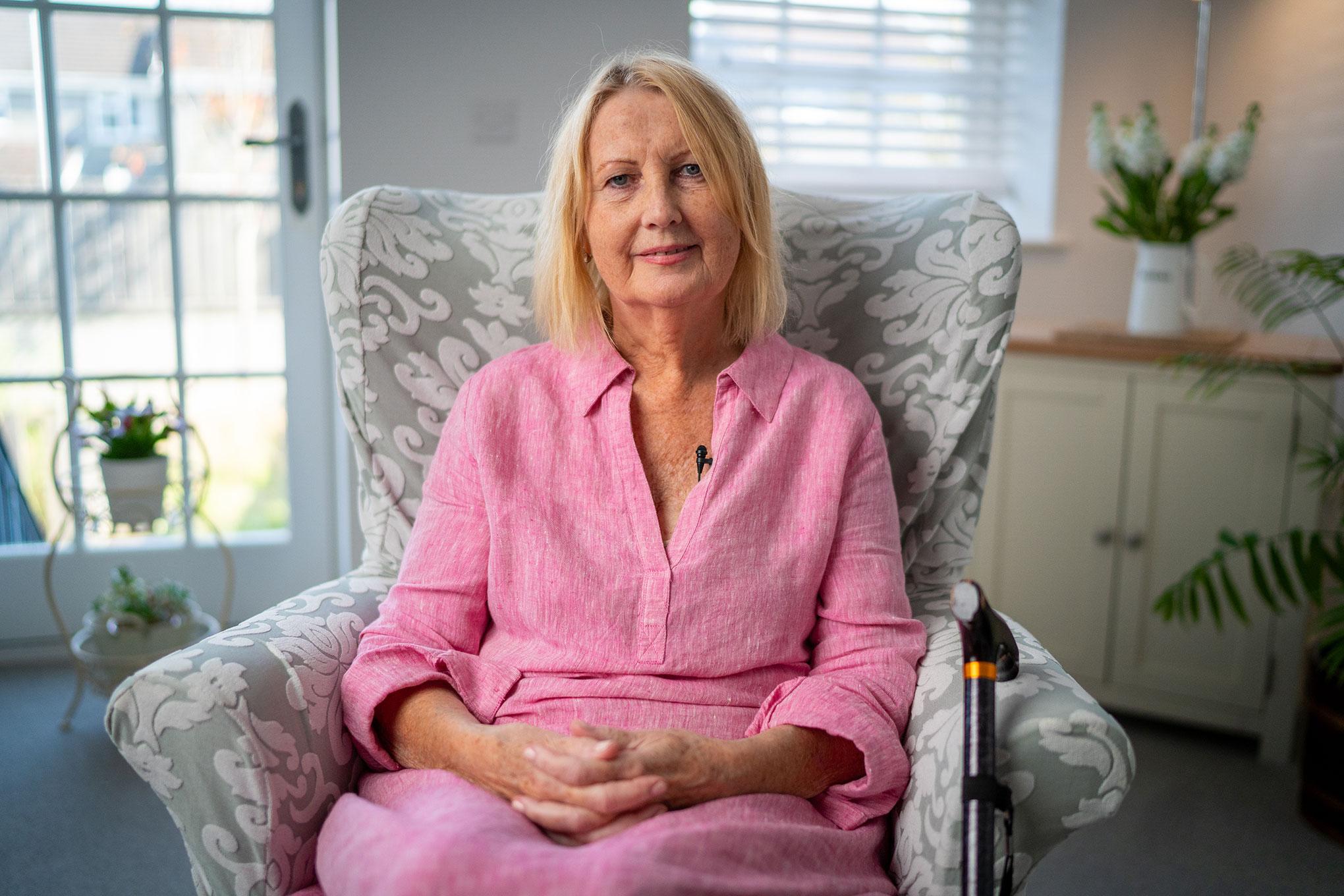
My advice to anyone starting on this road to improving their bones would be to start slowly and try and incorporate it into your day. Do the activities you enjoy.
Do I need to see a physiotherapist before starting exercise with osteoporosis?
Most people should be able to start exercising without seeing a physiotherapist. But you should see a physiotherapist if you:
have spinal fractures that are causing pain and other symptoms
have broken many bones
are having problems exercising because of other medical conditions
have had many falls.
A physiotherapist can work with you to do the exercises, movements and activities that are suitable and safe for you.
Visit the NHS website for information about how to get physiotherapy.
Do I need to have a spine X-ray to check for spinal fractures before I start exercise?
You do not usually need to have a spine X-ray before you start exercise. Talk to your doctor if you think you may have a spinal fracture. Symptoms of a spinal fracture include:
back pain - not all spinal fractures cause pain
change in body shape, such as height loss or a curved back.
If your doctor thinks you have a spinal fracture, they can refer you for an X-ray.
When should I stop exercising?
Stop if you feel any of the following symptoms when you are exercising:
nausea or feeling sick
dizziness or lightheadedness
severe shortness of breath
clamminess or sweating
chest tightness
any pain.
Call 111 or 999 if you need urgent or emergency care.
It is normal to feel stiff or sore for a few days after you exercise, especially if you have not exercised in a while and are moving your body in a new way.
Try to spread your activity over the week. Leave a day's rest in between doing strength exercises.
As you get more active, you will find that you will not feel as stiff or sore after you exercise.
If you are worried about any of your symptoms or if they do not go away, contact your GP.
Is it safe to do impact exercise with osteoporosis?
For most people, impact exercise is unlikely to cause a broken bone. But if you have osteoporosis, spinal fractures or many broken bones, you may need to adapt some exercises to be on the safe side.
Impact exercise is good for bone strength. It is a type of weight-bearing exercise. This means your feet and legs support your weight. Impact exercise happens when you are on your feet and you add an extra force through your bones. The impact comes from each time your feet hit the ground.
The level of impact you get will depend on the type of exercise you do. For example:
low-impact exercises are walking and stair-climbing
moderate-impact exercises are small jumps and hops, jogging or dancing
high-impact exercises are star jumps, jumping from high to low levels or basketball.
It is important to keep active at a level that is right for you. If you do not usually do impact exercise, start with low-impact exercise and gradually build up to moderate-impact exercise. If moderate-impact exercise is already a part of your routine, keep gradually building up this type of exercise.
High-impact exercise is not specifically recommended for osteoporosis. You do not need to build up to high-impact exercise for your bone strength. This is because moderate-impact exercise has been shown to benefit bones. There is not enough evidence that high-impact exercise gives extra benefit. If high-impact exercise is already a part of your routine and feels safe and comfortable for you, it is usually safe to continue. But if you have osteoporosis, talk to your doctor, physiotherapist or a qualified exercise instructor about doing high-impact exercise.
Impact exercise may not be suitable for you if you have other medical conditions, like painful arthritis in the knees. You may need to focus on building strength exercise instead. Talk to your doctor or physiotherapist if you have other medical conditions that you think may affect your ability to exercise.
Take a look at our plan to safely build up impact exercise for your bones.
Can I do impact exercise if I have had spinal fractures or many broken bones?
You should stay with low-impact exercise if you have had spinal fractures or many broken bones.
Some moderate-impact exercise may increase the chance of falls for some people. It is important to listen to your body and choose activities that feel safe and manageable for you.
Low-impact exercise can still help to reduce the loss of muscle and bone strength.
You may be able to build up to doing moderate-impact exercise if:
your spinal fractures did not cause any pain or symptoms
your broken bone has healed and your pain has improved a lot
you are generally fit and healthy
you used to do moderate-impact exercise before you broke a bone.
It also depends on how many spinal fractures or broken bones you have had and if you have any other medical conditions.
Talk to your doctor or physiotherapist if you are not sure if building up impact exercise is suitable for you.
A physiotherapist may be able to help you build up impact exercise after a broken bone. Find out how to get help from a physiotherapist on the NHS website.
Is it safe to lift weights and do strength training with osteoporosis?
Strength training can help your bone strength. It involves gradually building up the work that your muscles do over time, by using the weight of your body, resistance bands and weights. There are different types of weights, including dumbbells, barbells and kettlebells.
Start with a weight you can lift easily. This could even be your own body weight.
It is important to build up gradually and listen to your body when you are doing strength training.
There is not a specific weight that is safe or unsafe. It depends on your body and what feels right for you.
Make sure you use good technique when you are lifting something. It is how you lift rather than how much you lift that matters.
Put the weight down if you feel the strain in your back. You may need to reduce the weight you are lifting or change your technique.
If you are not sure about the correct technique to use when using a resistance band or lifting a weight, talk to a qualified exercise instructor. They will be able to show you how to pull resistance bands or lift weights properly, and take care of your back.
Take a look at our plan to safely build up strength exercise for your bones.
Can I build up strength exercise if I have had spinal fractures or broken bones?
You should wait until your bone had healed before you start building up strength exercises. The healing process can take up to three months.
It is important to keep moving while you are recovering from a spinal fracture. There are some movements you can do to help with your pain and posture while you are recovering. Take a look at our exercise for symptoms of spinal fractures.
After your broken bone has healed, you can do strength and low-impact exercises, if you feel able to. It is important to listen to your body and stay active at a level that is right for you after broken bones. Talk to your doctor or physiotherapist about exercise after broken bones.
Is it safe to bend forward or curve my back when exercising with osteoporosis?
Bending forward and curving your back is a normal part of moving in everyday life and when keeping active. But if you have osteoporosis, you may need to adapt some exercises to care for your back. This reduces the chance of spinal fractures. Some exercises, like sit-ups, touching your toes and the ‘roll-down’ and ‘curl-up’ in Pilates can put pressure on the spine.
You can adapt these exercises to care for your back. For example, use the hip hinge to bend safely. This means bending forward from your hip and keeping your back straight. We also have information about Pilates modifications you can make to care for your back.
Over the last couple of years I have started to feel stronger and gain confidence and would encourage anyone considering starting out with an exercise plan to adopt a ‘slow and steady’ approach.
About this information

Get news and updates via your inbox
Don't miss our expert insights, recipes, and tips for living well with osteoporosis.

Connect with people living with osteoporosis
Our online community is a welcoming and safe space for you to share your experiences and find peer support.