impact exercise to help make your bones stronger
Find out how impact exercise can keep your bones strong.

Impact exercise is important for your bones, especially if you have osteoporosis. It can help to maintain or improve your bone strength. This means you can keep doing the things that are important to you.
It is important to listen to your body and feel safe, confident and comfortable when you exercise for your bones. Before you start, read our information about exercising safely with osteoporosis and broken bones (fractures).
You should feel steady before you start building up impact exercise. If you are unsteady on your feet or have not exercised in a while, take a look at our movements to help your balance and improve your balance first. These movements can reduce your chance of falling over and breaking a bone.
On this page, we answer some common questions about impact exercise. You can also take part in our plan to help you build up impact exercise for your bones and make it a part of your day.
Most people with osteoporosis can exercise safely. Choose the exercise and level of intensity that is right for you.
Talk to your doctor or physiotherapist before starting any exercise if you:
have a history of many broken bones or spinal fractures
are recovering from a broken bone
have any questions or concerns about your own personal situation.
They can tell you about what exercises and activities are safe and suitable for you.
What is impact exercise?
Impact exercise is a type of weight-bearing exercise. This means your feet and legs support your weight.
Impact exercise happens when you are on your feet and you add an extra force through your bones. The force travels through your bones. This helps to maintain or improve your bone strength. The impact comes each time your feet hit the ground.
You can get impact exercise from your daily activities and by doing specific movements, exercises or leisure activities. The level of impact you get will depend on the type of exercise or activity you do.
The levels of impact exercise that are recommended for your bones are low-impact and moderate-impact exercise
Low-impact
Low-impact exercise is when you put a small amount of force through your bones. One foot always stays on the ground. Examples of low-impact exercises are walking, marching and stair-climbing.
Low-impact exercise can help to reduce the loss of bone and muscle strength.
We show you examples of low-impact exercises in Level 1 of our plan to build up impact exercise.
Moderate-impact
Moderate-impact exercise is when you push off from the ground and land with a medium amount of force through your bones. In many moderate-impact exercises, both feet will leave the ground at the same time. Examples of moderate-impact exercises and activities include jogging, skipping, dancing and playing tennis.
Moderate-impact exercise can help to improve your bone strength.
We show you examples of moderate-impact exercises in Level 2 and Level 3 of our plan to build up impact exercise.
Impact exercise may not be suitable if you have other medical conditions. You may need to focus on building up strength exercise instead. Talk to your doctor or physiotherapist if you have other health conditions that you think may affect your ability to exercise.
Exercises like swimming and cycling help your general fitness. But they are not impact exercises. This is because the water or bike holds the weight of your body. This means there is not much force travelling through your bones to help make them stronger.
How much and how often should I do impact exercise?
Everyone should do impact exercise if they are able, especially if you have osteoporosis. How much and how often you should do impact exercise depends on if you have had spinal fractures or many broken bones.
If you have had spinal fractures or many broken bones
It is best to only do low-impact exercise. Try to build up to 20 minutes of low-impact exercise on most days of the week.
You may be able to build up to doing moderate-impact exercise if you have had spinal fractures or many broken bones. It depends on different things, like how your spinal fracture happened, your pain and your fitness levels. Talk to your doctor or physiotherapist if you are not sure if building up impact exercise is suitable for you.
If you do not have spinal fractures
Aim to build up to 50 moderate-impact exercises on most days of the week. The impacts could be jumps, skips, jogs or hops. One jump counts as one impact. You can spread your 50 impacts throughout the day.
Visit the NHS website to learn more about physical activity guidelines for adults.
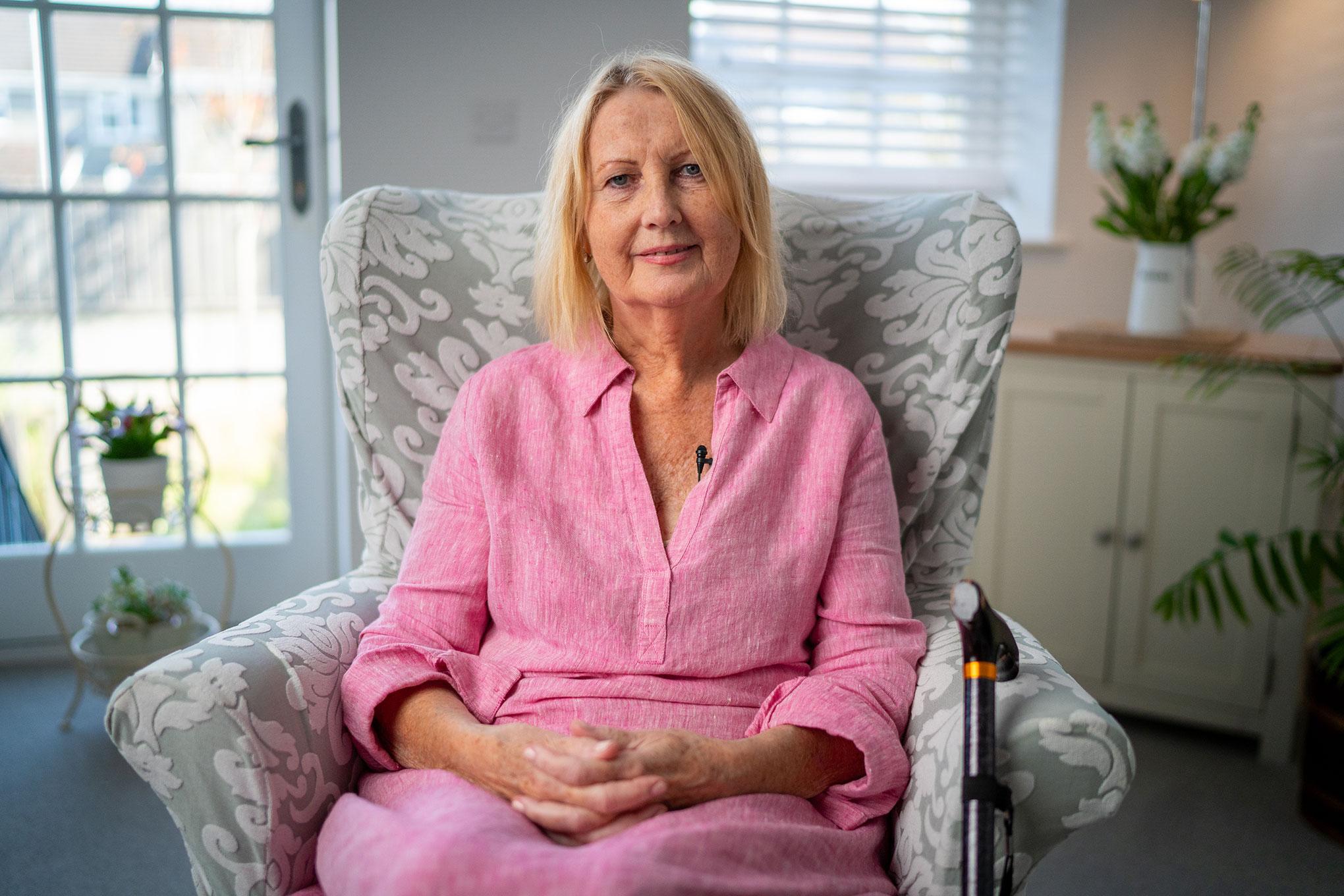
My advice for someone starting off is to start small and build on your exercises bit by bit, progressing when you can easily do what you have set yourself to start with.
About our plan to build up impact exercise
We have developed a plan to help you build up impact exercise for your bones. These videos are for everyone, including if you have osteoporosis.
It is important to keep active at a level that is right for you. If you do not usually do impact exercise, start at Level 1 and gradually build up to Levels 2 and 3 if you can. If impact exercise is already a part of your routine, keep building up this type of exercise.
You may feel ready to move on to the next level when you feel confident with the movements and techniques.
If these exercises are not suitable for you, take a look at these gentle sitting exercises you can do at home.
Watch: Level 1 - Low-impact
This level is suitable for everyone, including if you have osteoporosis and if you have had spinal fractures or many broken bones.
In this video, Exercise Specialist Bex, shows you three low-level impact exercises you can try. This video is 3 minutes and 40 seconds long. The exercises in this video are:
heel drop
push-off knee bend
march.
Watch: Level 2 - Moderate-impact
This level is suitable for you if you feel comfortable with the exercises in Level 1 and you feel ready to progress.
But if you have had spinal fractures or many broken bones, you should stay with low-impact exercise to be on the safe side. You can still build up strength exercises to help your bones. Take a look at our plan to build up strength exercises.
In this video, Exercise Specialist Bex, shows you three moderate-impact exercises. This video is 3 minutes and 35 seconds long. The exercises in this video are:
heel drop with more force
small jump
jog on the spot.
Watch: Moderate-impact for people who are more active
This level is suitable for you if you are feeling strong and ready to progress from Level 2. It is important to listen to your body and only do these exercises if they feel right for you.
In this video, Exercise Specialist Bex, shows you five moderate-impact exercises to move your body in different directions. This video is 3 minutes and 38 seconds long. The exercises in this video are:
heel drop with more force
run on the spot
skater step
hop or jump
stride jump.
How can I make impact exercises a part of my day?
Now that you have tried our plan, it is important to continue to make impact exercise a part of your daily life. Doing these exercises on most days of the week can make a difference as they can maintain or improve your bone strength.
Find a combination of exercises and activities you enjoy and that work for you. For example, you could do a combination of your favourite exercises from our impact exercise plan that are suitable for you. Or you could replace them with activities such as going for a walk, dancing or playing tennis.
You may enjoy Dance for your bones – a dance routine we created with Scottish Ballet. The dance includes Level 3 moderate-impact exercises such as hops and jumps.
Do I need to do another type of exercise to make my bones stronger?
The best way to help your bones is to do both impact and strength exercises. Take a look at our plan to help you build up strength exercise for your bones.
I have tried to integrate strength and impact into my daily routine rather than making time for a gym session. I just spread it out and make it part of everyday life.
About this information

Get news and updates via your inbox
Don't miss our expert insights, recipes, and tips for living well with osteoporosis.

Connect with people living with osteoporosis
Our online community is a welcoming and safe space for you to share your experiences and find peer support.