10 top tips for driving after spinal fractures


'%3e%3cpath%20fill='%23062a60'%20d='M24%200C10.748%200%200%2010.748%200%2024s10.748%2024%2024%2024%2024-10.748%2024-24S37.252%200%2024%200m11.64%2030.758a2.644%202.644%200%200%201-2.64%202.64H15a2.64%202.64%200%200%201-2.64-2.64V17.235a2.644%202.644%200%200%201%202.64-2.64h18a2.64%202.64%200%200%201%202.64%202.64zM14.303%2016.56v1.86L24%2024.742l9.697-6.322v-1.86L24%2022.785z'/%3e%3c/g%3e%3cdefs%3e%3cclipPath%20id='a'%3e%3cpath%20fill='%23fff'%20d='M0%200h48v48H0z'/%3e%3c/clipPath%3e%3c/defs%3e%3c/svg%3e)
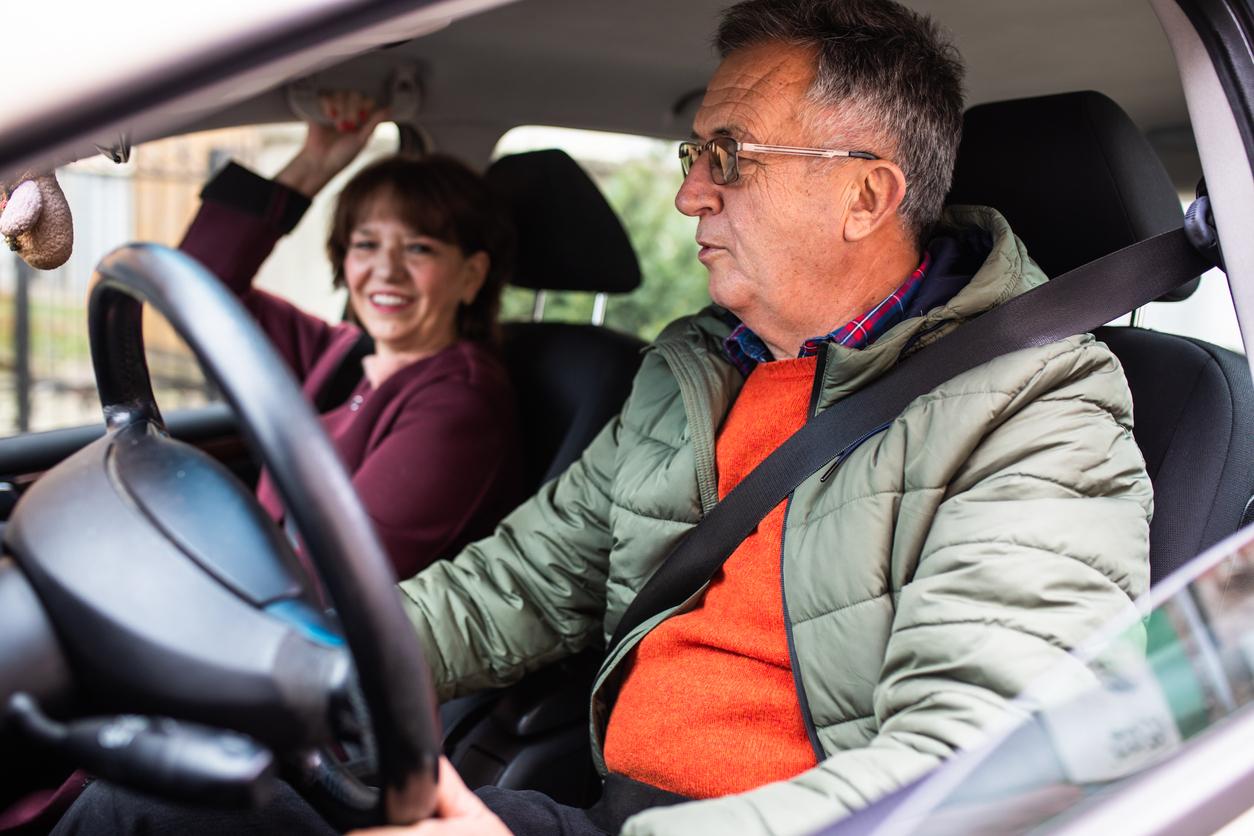
For many of us, driving is an integral part of our daily lives, making everyday tasks like popping to the shops and socialising much easier. It’s no surprise, then, that getting back out on the road and regaining that feeling of independence following a broken bone can be an important goal.
The downside of driving is that it requires sitting in a fixed position in a confined space, which may aggravate pain from a spinal fracture. Add to this bumpy roads, pot holes, vibrations and all the normal hazards that come along with modern driving, and it can make for a very uncomfortable ride indeed.
What our members say
We asked members of our online community about their experiences of getting back to driving and travelling in cars after spinal fractures:
“I decided to buy a memory foam seat cushion and a memory foam back support cushion, as I felt they would act as shock absorbers,” explained one member. “The seat cushion would be dual purpose, too, as the 4 inches of lost height, due to spinal fractures, meant I needed the extra elevation to achieve a better driving position. I bought my cushions online. They both have zipped removable covers for washing and were inexpensive at £15 each. They have honestly made such a difference. I can’t recommend them highly enough!”
Another member said: “I had a spinal fracture after the car I was travelling in hitting a pothole. I didn’t drive, or even go out for a few weeks, and had to sleep on a reclining garden chair as it was the only place I could get comfortable. I recommend asking that tyre pressures are checked regularly in any vehicle you may be travelling a fair distance in. I also recommend heated wheat bags and cold packs used alternately. I am now very cautious, especially with lifting, avoiding it where possible. I use small carrier bags at the supermarket and only half fill them, and have any heavy items delivered.”
For some members, getting in and out of the car proved most difficult.
“I found getting the seat height right was key to this and being very careful when I swivelled round to get in and out, as well as using my legs to stand up and sit down,” said another member. “We adjusted the seat back to an upright position, which is most comfortable for me while travelling, though the support is quite hard and I wouldn’t want to travel for long (the longest I’ve done is about 25 minutes). My husband has to reach across to get the seat belt for me as I can’t twist round to grab it."
Top tips for driving after spinal fractures
While there’s no quick fix for some things, like the condition of our roads, there are ways to improve your comfort and safety if you’re ready to start driving again.
If you’ve not driven for some time, do a short practice drive on a quiet road. Take someone with you in case you feel unsure or need help.
Be careful if you’re taking pain medicine. Some medicines can make you sleepy or slow your reactions. If this happens, you should not drive. If you are taking an opioid pain medicine, you should tell the DVLA.
Plan your journey so you have enough time and can stop for breaks, stretch and move around. Try to avoid busy traffic and bad weather when you can.
Make sure your seat is set up correctly. Adjust it so your hips and legs are comfortable and you can reach the pedals easily. You may find a wedge cushion or back support helpful. A fleece or sheep skin seat cover can add softness and reduce pressure points but make sure they are secure, don’t slide around too much, and are appropriate for your car seats.
To protect you from whiplash, your headrest should sit just behind your head and align with the top of your ears. If you have a curved spine, your headrest may need a bigger cushion.
Try not to twist your body abruptly when you’re turning to put on your seat belt or reaching for something in the back of the car. And remember, if you can’t turn enough to see properly, you shouldn’t be driving at all until you’ve fully recovered.
Try not to hunch over the wheel or hold the steering wheel too tightly. This will cause tension in your neck and shoulders. Adjust the backrest so that your arms are soft and comfortable on the steering wheel.
Heat pads or heated seats may ease pain. Also, remove items from your back pockets so you can sit evenly.
If getting in and out of the car is difficult, specialist aids may help. For example, the ‘Auto Slide’ transfer cushion allows easier sideways movement in the seat. A ‘Handybar’ is a portable grab handle that fits into the door latch to provide support when entering and exiting the vehicle.
Specialist mobility centres can carry out driving assessments and provide advice about making adaptations to your car.
If you’re not sure if it’s safe to start driving again, it’s important talk to your GP or healthcare professional in the first instance. If your ability to drive is impaired, you may also need to contact your insurer to check if your cover is still valid.
Daily living after fractures
Find more tips on travelling and getting back to everyday activities after a fracture in our health information and come and join the conversation in our online community.