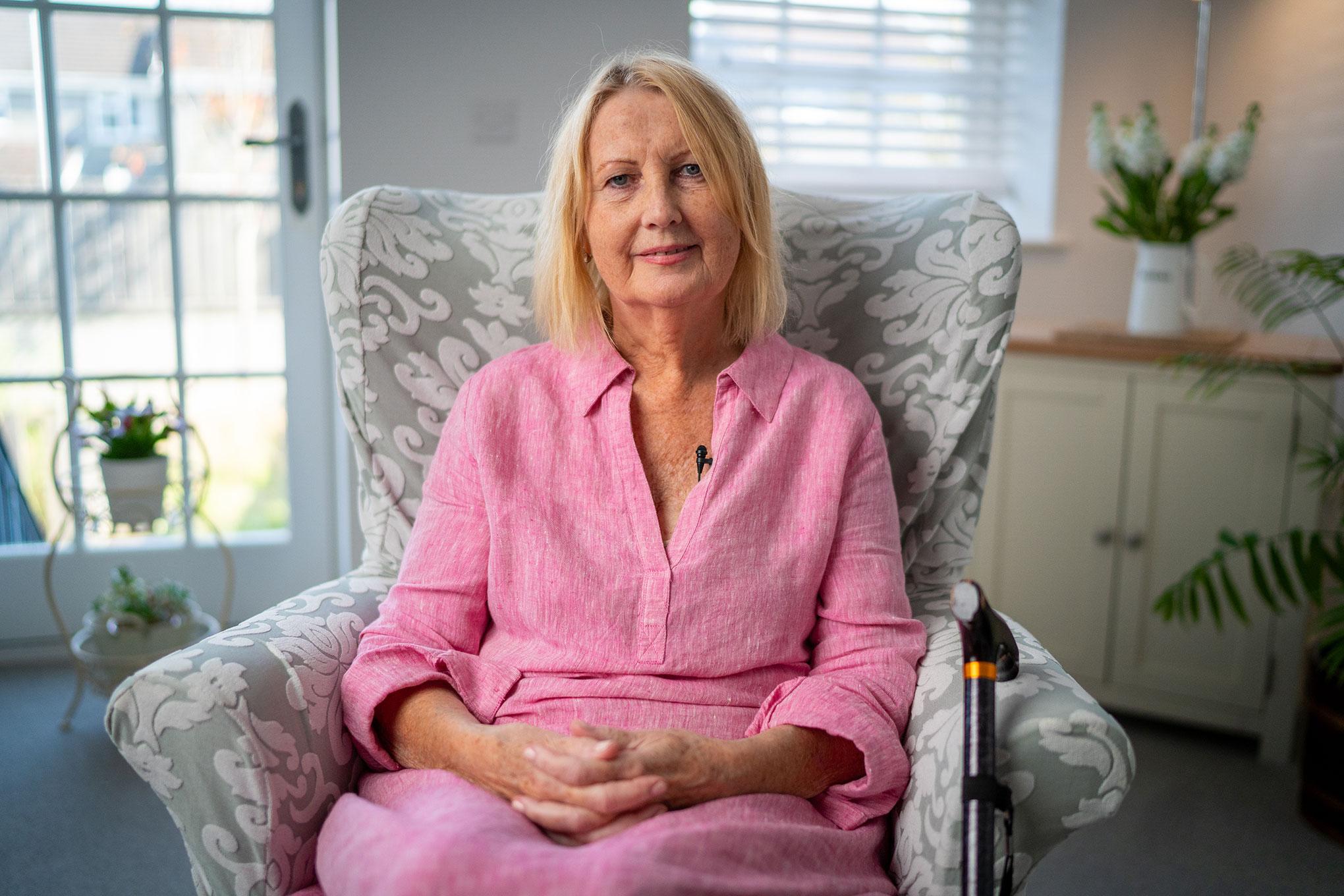
"You can't change family history, but you can be proactive"


'%3e%3cpath%20fill='%23062a60'%20d='M24%200C10.748%200%200%2010.748%200%2024s10.748%2024%2024%2024%2024-10.748%2024-24S37.252%200%2024%200m11.64%2030.758a2.644%202.644%200%200%201-2.64%202.64H15a2.64%202.64%200%200%201-2.64-2.64V17.235a2.644%202.644%200%200%201%202.64-2.64h18a2.64%202.64%200%200%201%202.64%202.64zM14.303%2016.56v1.86L24%2024.742l9.697-6.322v-1.86L24%2022.785z'/%3e%3c/g%3e%3cdefs%3e%3cclipPath%20id='a'%3e%3cpath%20fill='%23fff'%20d='M0%200h48v48H0z'/%3e%3c/clipPath%3e%3c/defs%3e%3c/svg%3e)
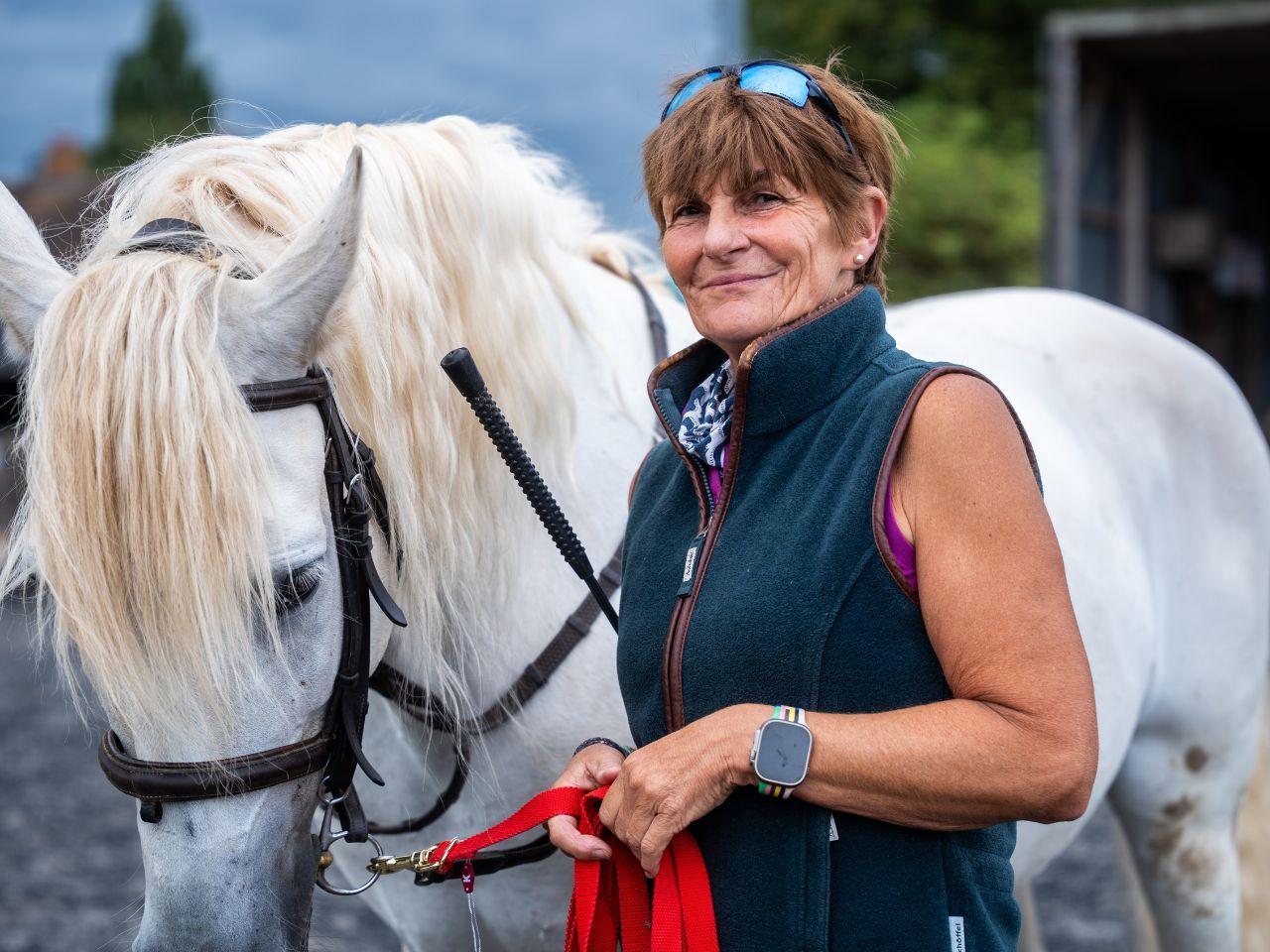
When it comes to understanding your own osteoporosis risk, the clues might be closer than you think, as ROS member, Jill, discovered.
"My grandmother had osteoporosis and developed a severely curved spine. My mother also had the condition and sadly died following a hip fracture. Then, years before I reached menopause, a DEXA scan showed I had osteopenia, a condition that means my bones were weaker than normal,” explains Jill, 64, from Taunton in Somerset.
Despite making changes to her diet, staying active and doing everything she could to protect her bones, Jill’s osteopenia later progressed to osteoporosis.
“Given my family history, it wasn't entirely unexpected, but it was still frustrating. Could I have done more?” asks Jill. “While I was accepting of the diagnosis, I did feel angry. I was prescribed a bone-strengthening medicine, risedronate, which will be reviewed after my next DEXA scan.”
Jill’s own experience has made her even more determined to help her children understand their own osteoporosis risk. “You can't change your family history, but you can be proactive and have a plan for the future,” she adds.
Fractures are not inevitable
While hereditary factors are important, fractures are not inevitable even for those with a strong family link. The key is to understand your risk factors early and take practical steps to protect your bones.
A balanced diet rich in calcium, adequate vitamin D, regular strength and impact exercise, avoiding smoking, and limiting alcohol can all help support bone strength. There are effective treatments if you are diagnosed with osteoporosis, too.
“I’ve volunteered for 20 years as a Community First Responder in the ambulance service, so I see a lot of hip fractures, which highlight the importance of my own life choices that I’m making each day,” says Jill.
Are you the 1 in 2?
Some risk factors can’t be changed, including age, sex and family history. Women are particularly affected, with 1 in 2 women over 50 expected to break a bone because of osteoporosis, while 1 in 5 men will experience an osteoporotic fracture during their lifetime. Other risk factors include certain medical conditions, medications such as long-term steroids, and experiencing menopause.
“Family history is one of the most overlooked risk factors for osteoporosis, yet it can play an important role in determining someone's likelihood of developing the condition,” explains ROS specialist nurse Julia Thomson.
“Our free Great British Bone Check takes just three minutes and can help identify risk factors you may not have considered. A family history of osteoporosis isn't something you can change, but it is something you should know about.”
Take action for your bones
Despite her diagnosis, Jill isn’t letting osteoporosis stop her from living the life she loves. She’s taken on challenges including climbing Snowdon, Helvellyn and Scafell Pike, and stays active through her work on the family farm, and her lifelong involvement with horses.
“Life doesn't have to end after an osteoporosis diagnosis,” adds Jill. “The important thing is knowing your risks and taking action early."
Don't wait until a broken bone reveals your risk. Take the Great British Bone Check today.
Please note: This is a topical blog and the information may become out of date. For the latest evidence-based information about osteoporosis and bone health, please visit our Information and Support web pages.