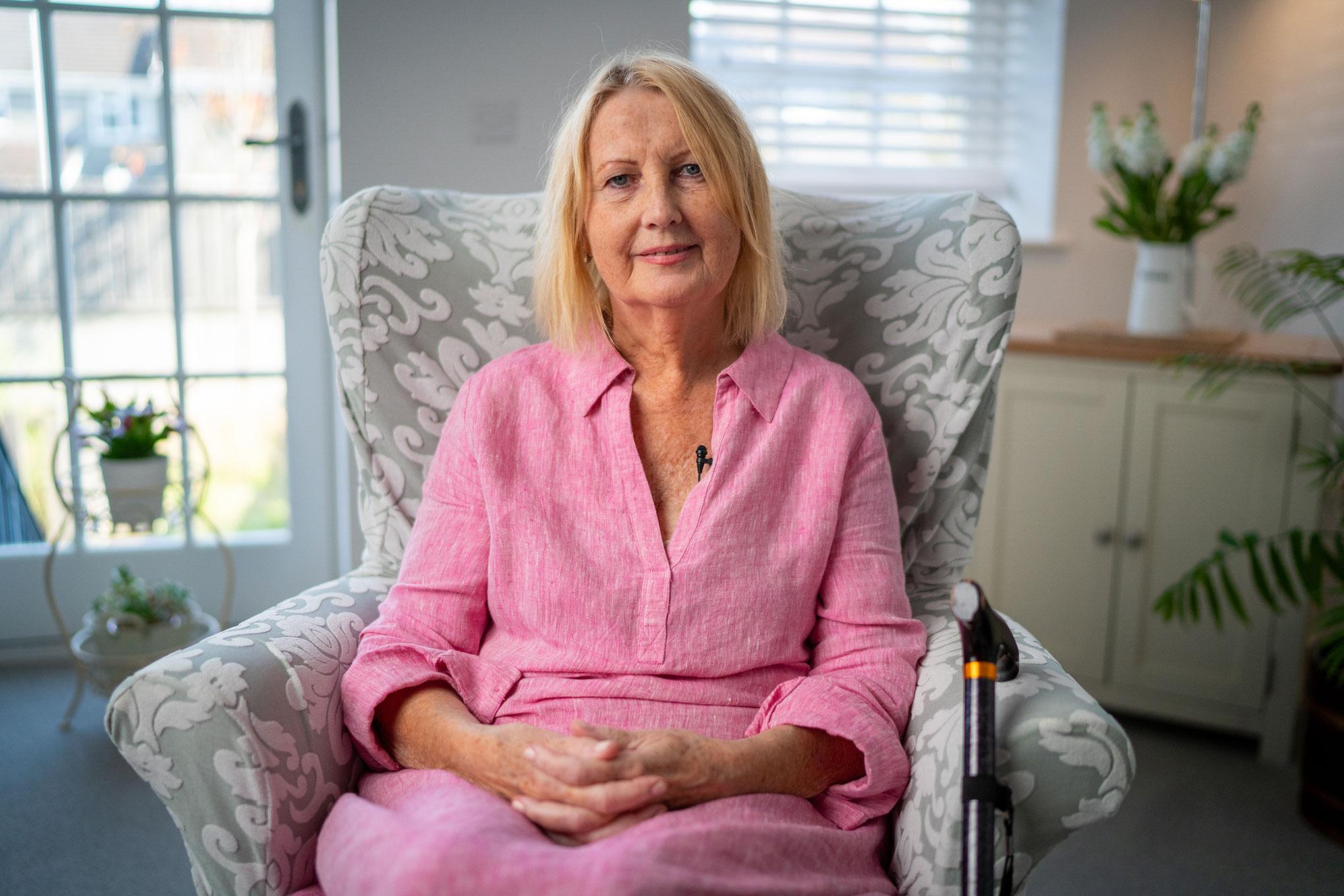
23 workplace adjustments to consider if you have osteoporosis



Did you know that, in England, working age people (40-69) suffer over 57,000 broken bones related to osteoporosis every year?1
If you’re one of those people, you may be wondering how it might affect your work. The answer is that it can be different for everyone.
Some people can continue working as normal. Some may need extra support to help them work safely. Some may have to stop work altogether. It all depends on whether you have pain and the type of work you do.
Do you have to tell your employer if you’ve been diagnosed with osteoporosis?
There are some cases where you must tell your employer about your condition. The law on health and safety says that if your symptoms affect your work, you must tell them. This is because you and your employer both have a duty to keep you and others safe in the workplace.
If you can carry out your work in the same way as before, you don’t usually have to tell your employer about your osteoporosis. However, if you do tell them, you may be protected by disability laws. This can protect you from unfair treatment, and your workplace may be able to make changes called “adaptations” or “reasonable adjustments” to help you do your job.
“I’ve found it helpful to tell people I work with, so they know if I need to stand up after sitting too long,” says one of our members. “I also make sure I have the correct seating for meetings where possible.”
Does osteoporosis automatically count as a disability?
No, not necessarily. It depends on how significantly the fractures you’ve had affects your daily activities and whether the impact is long-term.
Even if you’re not legally classed as disabled, you can still speak to your employer about changes that could make work easier. They may not be legally obliged to make those changes, but discussing your needs is a good place to start.
Workplace adjustments to consider
Here are some possible changes (“reasonable adjustments”) you could discuss with your employer if you have osteoporosis or are recovering from broken bones:
Using a trolley or other equipment to help you move heavy items.
Reducing the size of loads you carry.
Reducing tasks that involve repeated bending, twisting or turning.
Avoiding tasks where there is a risk of falling, such as working at height.
Getting help from another member of staff to lift heavy objects.
Varying tasks throughout the day rather than doing physical work for long periods.
Slowing down during tasks that are physically difficult. Having longer breaks or rest periods.
Asking for a Display Screen Equipment (DSE) assessment to make sure your workspace is right for you.
Using an adjustable chair with good back support.
Using a footrest or backrest.
Using wrist supports for your keyboard or mouse.
Using voice-to-text technology so you don’t have to type so much.
Using a desk that can be adjusted in height.
Using a desk that allows you to alternate between standing and sitting.
Taking more regular breaks to stretch and change position.
Keeping items you need within easy reach to reduce bending, reaching, and twisting.
Requesting flexible working hours if your pain or fatigue is worse at certain times of day. For example, ask to swap from night shifts to day shifts.
Discussing reducing your hours, either on a short-term or permanent basis.
Working from home for some or all the time, if your job can be done from home and you have a suitable workstation.
Asking for flexibility to attend medical appointments and treatments.
Asking for a parking space closer to your workplace entrance if walking is a problem.
Asking for access to a toilet, kitchen and other facilities on the same floor to avoid stairs where possible.
Avoiding travelling to work on days when roads may be icy and slippery.
Find out more
Learn more about your rights at work, what happens if you’re off sick, and where you can find further support in our Employment and Work Life health information.
1 Lane Clark & Peacock LLP on behalf of the Royal Osteoporosis Society: Quantifying the economic impact of osteoporotic fractures in the working age population 2024. ros-lcp-economic-impact-of-fragility-fractures-v3-0-20241028-1-1.pdf
* based on individuals aged 40-69 with fractures and estimations for informal caregivers
Please note: This is a topical blog and the information may become out of date. For the latest evidence-based information about osteoporosis and bone health, please visit our Information and Support web pages.